
Defining Care With The DMMP
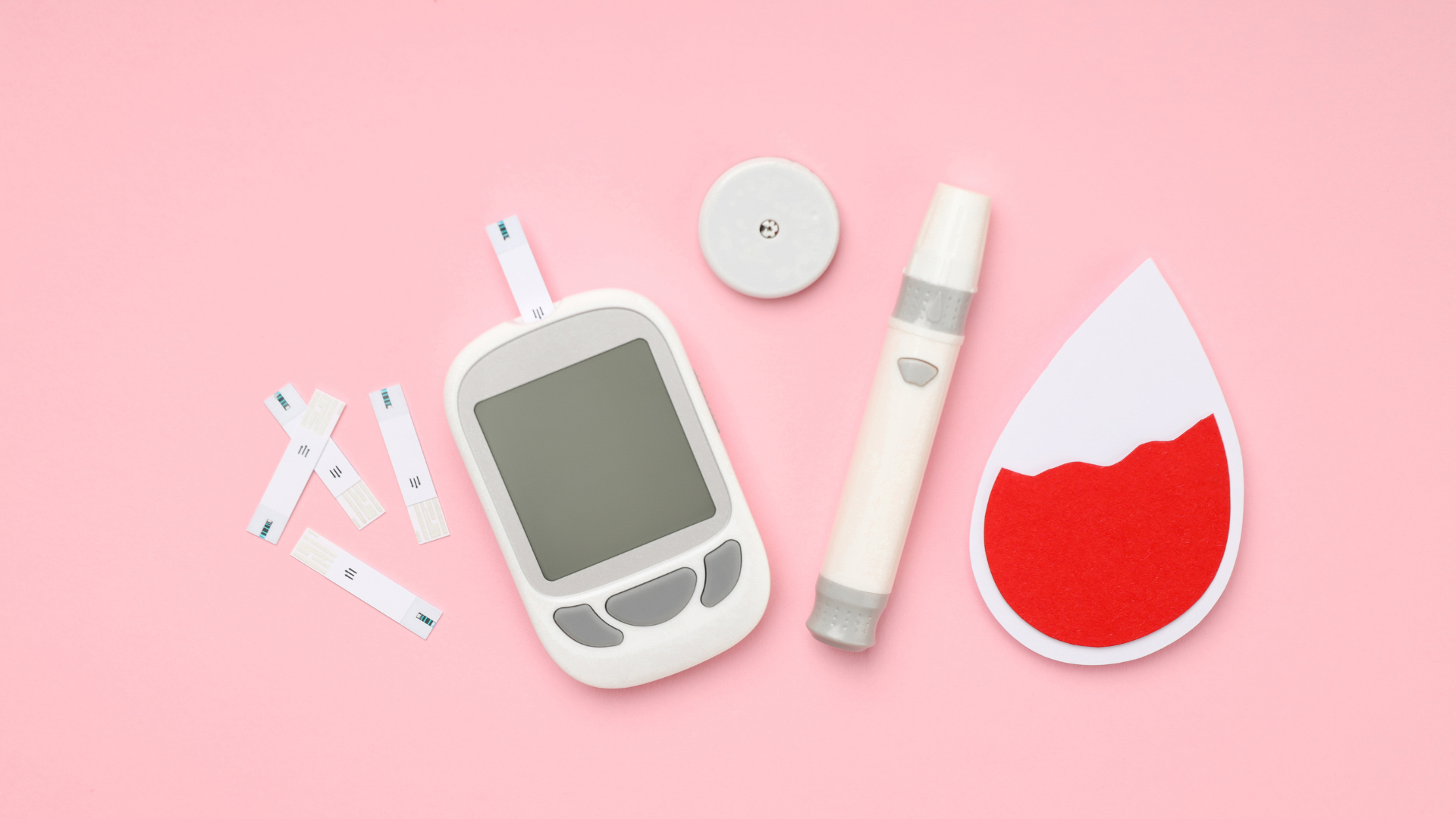
Inside a school nurse’s office, care and chaos often happen at once. Amid scraped knees, allergy issues, and stomachaches, managing type one diabetes is one of the hardest and most important jobs. For students with diabetes, school success needs more than fast fixes—it needs a careful, clear team plan. The Diabetes Medical Management Plan (DMMP) is this plan: a guide that turns daily diabetes tasks into safe, well-coordinated, and legal care. The DMMP is more than paperwork—it is the medical and legal protection that ensures each meal, dose, and activity meets the student’s health needs.
From Orders To Action
At the heart of this coordination is the school nurse, the link that keeps everyone on the same page—the student’s family, healthcare provider, and school staff. The Diabetes Medical Management Plan (DMMP) functions as the student’s standing medical orders, detailing everything from glucose check schedules to insulin dosing and emergency care steps. It gives school nurses the clarity and authority they need to act confidently, while ensuring consistency across all caregivers. Backed by federal protections like Section 504 of the Rehabilitation Act and the Americans with Disabilities Act, the DMMP isn’t optional paperwork—it’s a legal requirement that safeguards access, inclusion, and safety. With a solid DMMP in place, students can focus on learning instead of managing diabetes alone, and school nurses can respond with clinical confidence rather than uncertainty.
Smart Devices, Smarter School Nurses
Today’s diabetes care is as much about technology as it is about treatment—often leaving the school nurse acting as both clinician and tech support. Continuous glucose monitors (CGMs) and automated insulin delivery (AID) systems have reshaped daily management by providing real-time data, reducing classroom interruptions, and improving safety. The DMMP must clearly delineate when a finger-stick is required to verify a sensor reading—such as when symptoms do not match the data or when a suspected low is present—to prevent dangerous overtreatment. When technology fails, as it inevitably does, the DMMP provides the backup protocol, ensuring that syringes, pens, and 72-hour emergency supplies are always ready for a "Manual-Mode" intervention.
When Development Meets Data
Managing diabetes at school isn’t just about dosing and devices—it’s about understanding how a student’s emotions, growth, and stress impact every blood sugar reading. The DMMP helps guide a gradual shift toward self-management, built on the student’s developmental readiness rather than age. Along the way, the school nurse keeps watch for behavioral health concerns, including burnout, low mood, and unhealthy eating behaviors. These may be less visible than hypo or hyperglycemia, but they’re equally important to a student’s safety and success.
Teaching The Team
The school nurse also acts as the primary educator, translating the complexities of the DMMP for non-medical staff. Training teachers, coaches, and bus drivers to recognize the subtle signs of hypoglycemia and know when to use emergency glucagon is a life-saving component of the school nursing role. This coordination extends to the cafeteria, where advanced carbohydrate counting and matching insulin action to meal timing requires a synchronized effort between staff and the school health office.
The Power Of The Plan
In a setting where education and health intersect daily, the DMMP serves as the structure that ensures care is safe, equitable, and consistent. It guides care, prevents emergencies, and allows students with diabetes to participate fully in everything school has to offer. Diabetes management is never simple, but with a solid DMMP, no one has to navigate it alone.
Watch our School Nurse Support for Students with T1D video HERE!