
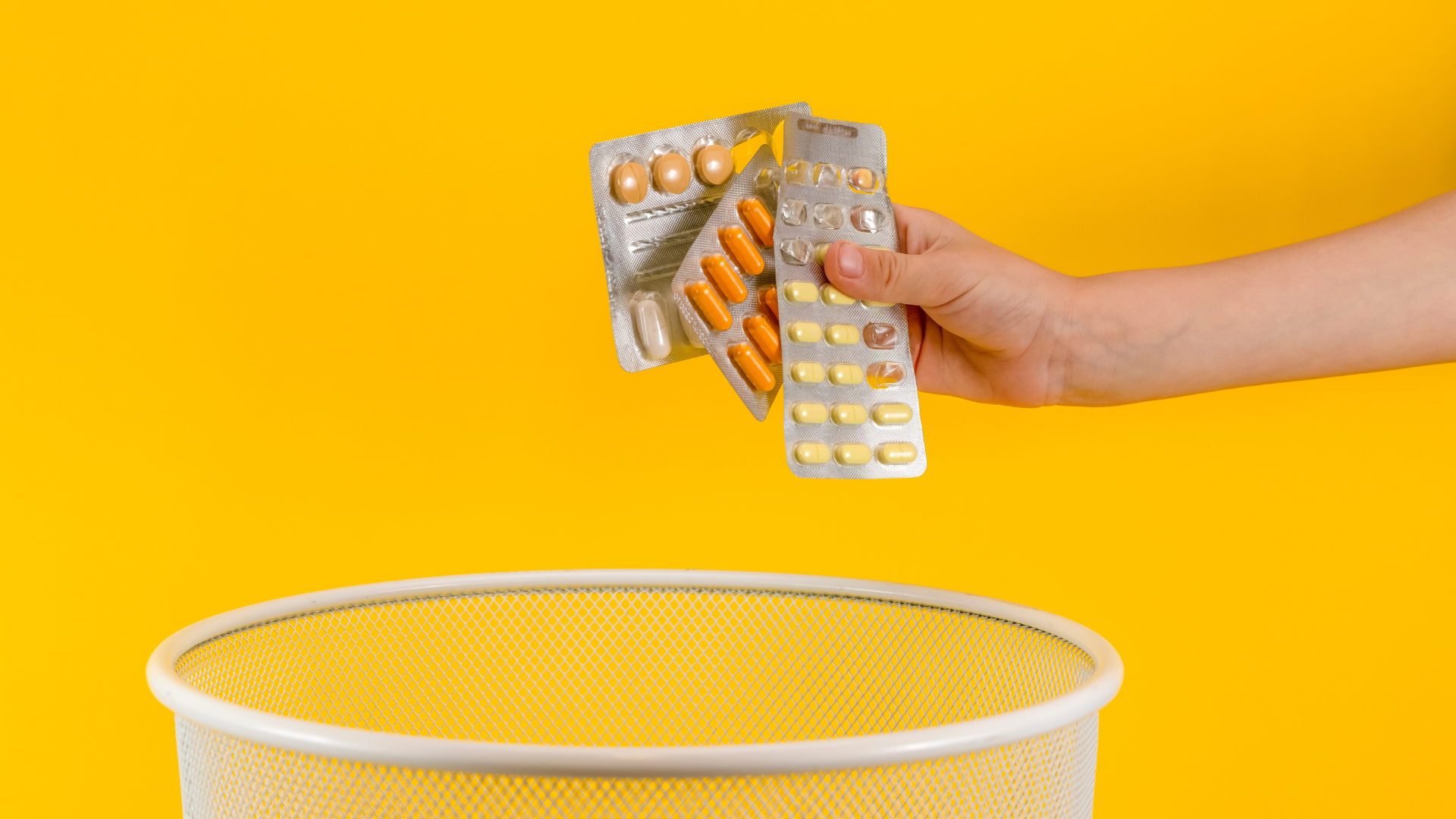
Dispose & Protect: Safe Medication Disposal
As the school year draws to a close or when a student's prescription changes or expires mid-semester, school nurses often find themselves with a growing collection of unused or unclaimed medications in the health office, raising important questions about safe and responsible disposal practices. It's a less-than-glamorous part of the job, perhaps, but safely managing this pharmaceutical surplus is absolutely critical for preventing accidental poisoning, substance abuse, and environmental contamination.
Communication with Families
The primary and most recommended approach for managing unused medication is to return it directly to the student's parents or legal guardians. This isn't just a matter of convenience; it reduces the cost and liability of disposal for the school and makes it more likely that the medication could potentially be used instead of wasted. School nurses should make every reasonable effort to contact parents or guardians to arrange for the safe pickup of unused medications. In alignment with guidance from organizations such as the National Association of School Nurses (NASN), medications should never be sent home with students. Documentation is key when returning medication; be sure to record the return, including the date and time, and have both the school nurse and the parent or guardian sign off.
Take-Back Options
When parents don't retrieve unused or expired medication, the school must take responsibility for its disposal. It's important to note that schools, as institutions, are typically subject to state laws for businesses and institutions regarding waste management, which differ from household regulations. This means household medication collection sites may be unable to accept school waste. However, when permitted by state law and, if available, schools can work with DEA-authorized collectors- such as retail or hospital pharmacies, clinic pharmacies, or local law enforcement agencies- that operate community drug "take-back" programs. These partnerships offer a safe and effective solution for collecting and destroying unused medications. A more convenient "take-back" option for many schools is the Sharps® TakeAway™ Medication Disposal Systems, approved by the DEA to accept prescription and over-the-counter medications. School nurses simply fill and seal the TakeAway container and have it picked up by UPS—Sharps® handles the rest.
Disposal at School
If partnering with a local "take-back" program isn't possible, according to the United States Protection Agency (EPA), medications should never be flushed down the toilet or poured into the sink unless the product information specifically instructs you to do so. Instead, both NASN and the Food and Drug Administration (FDA) recommend following these steps: remove the medication from its original container, mix it with an undesirable substance such as dirt, cat litter, or used coffee grounds (without crushing tablets or capsules), place the mixture in a sealed container like a plastic bag, and discard it in the trash. Some school policies require only disposing of the sealed container in a locked and tamper-resistant dumpster on school grounds. For school nurses looking for a faster, more efficient way to destroy medications, the Deterra® Drug Deactivation Systems are a fantastic, no-mess, no-fuss option. Additionally, all personal information should be scratched out from prescription labels before disposing of empty containers to protect privacy.
Don't Forget to Document
Thorough documentation is essential whenever medications are destroyed or disposed of at school. Best practice includes recording the name and quantity of each medication and the date and method of disposal. Another school employee should witness the process, with both individuals signing the record. This level of documentation is especially critical when handling controlled substances to ensure accountability and compliance with legal requirements.
Ultimately, safe medication disposal is more than just tidying up the health office - it's a cornerstone of student safety and environmental care. By consistently following established return protocols, utilizing proper disposal methods when returns aren't feasible, and maintaining detailed, witnessed documentation - especially for controlled substances-school nurses champion a culture of safety and responsibility. These efforts not only safeguard our students but also help keep our schools-and our planet-a little healthier for everyone.
Shop all Medication Disposal/Deactivation Systems HERE!