
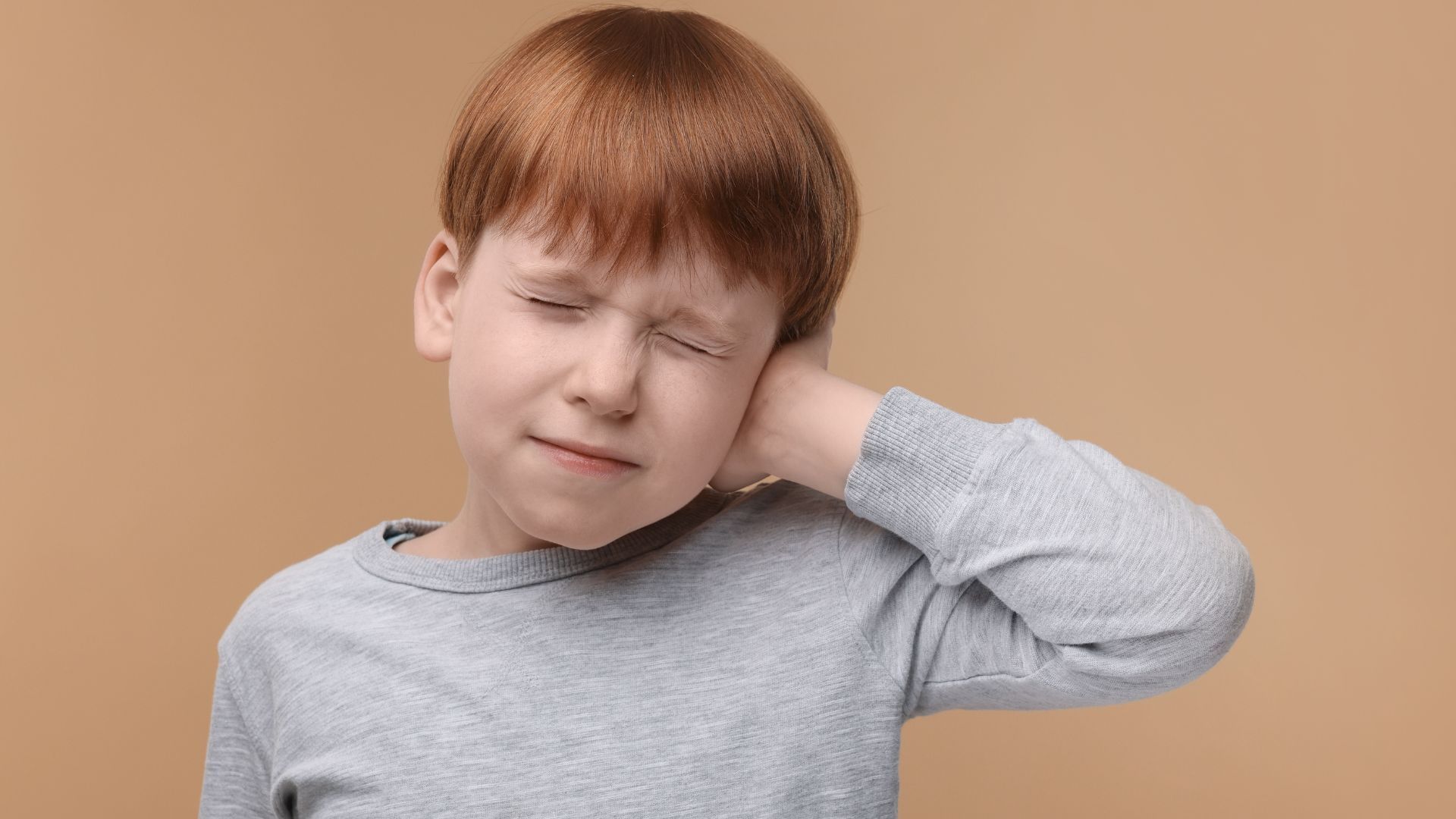
Ear Canal Chronicles
It turns out that kids' ears are magnets for all sorts of "treasures"—from beads to beans and everything in between—leading to tens of thousands of emergency room visits each year. For school nurses, this common scenario requires a blend of astute observation, empathetic care, and precise referral, as the school health room is primarily an assessment and first-aid environment rather than a diagnostic or treatment center for ear conditions.
Hidden Ear Hazards
Foreign bodies are, quite simply, any objects that find their way into the ear canal or lobe that are not meant to be there and could cause harm. Young students, driven by innate curiosity, boredom, or even imitative play, commonly introduce a surprising variety of items into their ears. Typical culprits include small everyday items like eraser tips, paper, and crayon fragments, as well as outdoor finds such as pebbles, beads, or food particles like popcorn kernels. Sometimes, insects can unintentionally enter a child's ear canal, causing discomfort and distress. Additionally, children who experience frequent outer ear infections may be more likely to insert objects into their ears, often in an attempt to relieve itching or discomfort.
Critical Ear Clues
Some foreign objects in the ear might not cause any symptoms at first, but others can quickly lead to pain, redness, or drainage. If the object blocks the ear canal, it can also cause temporary hearing loss. One urgent situation to watch for is a button cell battery stuck in the ear. These small batteries can cause serious chemical and electrical burns in a very short time, so immediate emergency medical care is essential. Other warning signs that require prompt medical attention include:
- Bleeding from the ear
- Severe pain
- Persistent drainage
These symptoms may indicate a more severe injury or an infection. If the eardrum is ruptured—often from pressure or an attempt to remove the object—there may be intense pain followed by sudden relief and fluid leaking from the ear. Signs of infection, such as pain, bleeding, muffled hearing, discharge, redness, swelling, or fever, should not be ignored, especially if the object has been in the ear for an extended period. Likewise, symptoms such as dizziness, vertigo, sudden hearing loss, or sharp, throbbing pain are also red flags that require immediate evaluation.
Ear Exam Essentials
A thorough ear assessment begins with careful observation for drainage, bleeding, redness, or swelling around the ear and adjacent facial areas, including the mastoid process. These signs may indicate a more serious underlying issue. When using an otoscope, it is important to select a disposable speculum that is appropriately sized. For younger children, the pinna should be gently pulled straight back; for adolescents, it should be pulled up and back to allow clear visualization of the ear canal and tympanic membrane. Inspection of the ear canal should focus on identifying excessive wax, redness, discharge, or the presence of a foreign object. The tympanic membrane should appear flat, gray, and somewhat translucent under normal conditions.
Removal & Referral
Awareness of the school nurse's scope of practice and procedural boundaries is critical in the school health setting. Foreign body removal should only be considered if the object is clearly visible, easily grasped, and near the outer ear opening. Inserting tools or attempting irrigation is generally contraindicated, as it can worsen the injury or push the object deeper, especially in cases of suspected eardrum perforation, ear tubes, batteries, or organic material.
When a foreign object is suspected or confirmed, or if concerning symptoms persist after a possible removal attempt, prompt medical referral is imperative. Careful documentation of all observations should be maintained, and parents should be informed of the situation and the need for medical evaluation. Follow-up with a physician is often recommended even after a seemingly successful removal to ensure the ear is free of injury or remaining debris.
From playground pebbles to mystery beads, school nurses are the first line of defense against curious ears and hidden hazards. With sharp assessment skills and swift referrals, they help keep little ears—and big imaginations—safe and sound.