
Nail Files
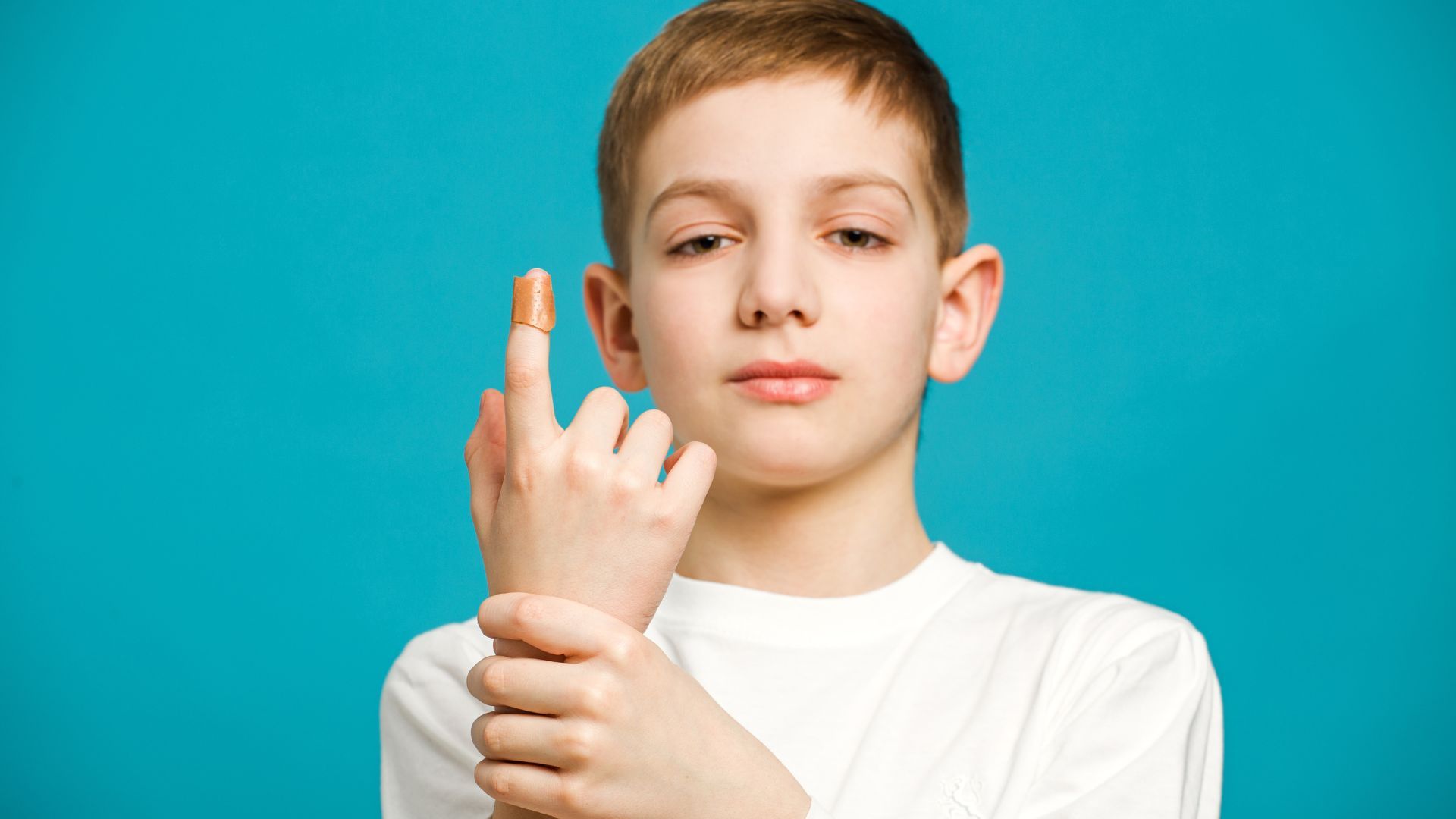
Every school nurse knows that where there are playgrounds, lockers, gym class, and swinging doors, there are bound to be banged-up fingers. Fingertip and nail bed injuries might seem like small mishaps in the grand scheme of school-day drama, but these tiny traumas pack a surprising punch—they account for more than two-thirds of all pediatric hand injuries seen in acute care. From slamming car doors at drop-off to falling textbooks in classrooms, crush injuries to the fingertip or toe tip are everyday events that can range from minor bruises to serious damage involving the nail, skin, or even bone.
Assessment
For school nurses, rapid and informed assessment of these distal tip injuries is the critical first step in determining the trajectory of care and securing optimal outcomes for the student. Careful observation of swelling, discoloration, deformity, range of motion, and nail bed integrity can help determine the severity. If there is visible deformity, significant bleeding, inability to move the affected digit, or suspicion of fracture or partial amputation, the student should be referred promptly to an urgent care facility or emergency department. Fingertip crush injuries, in particular, can involve fractures such as a Tuft fracture, which occurs at the very tip of the bone, or a Seymour fracture, which affects the growth plate and can have lasting consequences if left untreated.
Immediate referral is also warranted when bleeding cannot be controlled, the nail is visibly split or torn, or there are signs of nail bed injury. If a subungual hematoma is present—when blood collects beneath the nail—medical evaluation is recommended when the discoloration covers more than half of the nail surface. This often indicates significant underlying tissue injury or a possible fracture and may require drainage to relieve pressure and pain. In a clinical setting, a healthcare provider can perform trephination, creating a small opening in the nail plate to release trapped blood and alleviate discomfort.
Interventions
In the school setting, prompt and evidence-based care is essential when a student presents with a nail crush injury. Begin by gently washing the affected finger or toe with soap and water to reduce the risk of infection. If the injury involves a finger, remove any rings at once to prevent constriction as swelling develops.
To manage bleeding and limit swelling, apply a cold compress or immerse the digit in cool water as soon as possible. Firm, direct pressure with a clean cloth or sterile gauze helps control bleeding and may prevent a large subungual hematoma from forming. Elevating the injured extremity above heart level can also help reduce throbbing and inflammation. If additional pain relief is required, over-the-counter medications such as acetaminophen or ibuprofen may be administered in accordance with school medication policies and standing orders.
Healing
Following initial injury management, careful follow-up monitoring is critical to ensure proper healing. Even when the nail has been repaired or secured, it is common for the damaged nail to detach within several weeks of injury. Complete regrowth of a new nail may take 6 to 9 months, depending on the extent of the trauma. When the nail bed has sustained significant damage, the new nail may grow back with cosmetic or functional changes, such as splitting, ridging, curvature, or incomplete adhesion to the underlying skin. Inadequate repair or loss of bony support can contribute to long-term deformities, including a scarred matrix or “hook nail” formation.
School nurses play an important role in educating parents and caregivers about ongoing care and signs of complications. They should be advised to watch for indicators of infection, such as foul odor, fever, thick yellow or green drainage, worsening pain, or persistent redness and swelling. Emphasizing strict adherence to healthcare provider instructions for wound care, dressing changes, and activity restrictions—particularly avoiding sports and rough play—supports optimal healing and minimizes the risk of re-injury.
Impact
In many ways, the school nurse’s response to a fingertip injury symbolizes the heart of school health practice: timely action, compassionate care, and commitment to long-term well-being. These seemingly small interventions preserve not just nail integrity but also student trust and comfort. It’s proof that in school nursing, no detail—or digit—is too small to matter.