
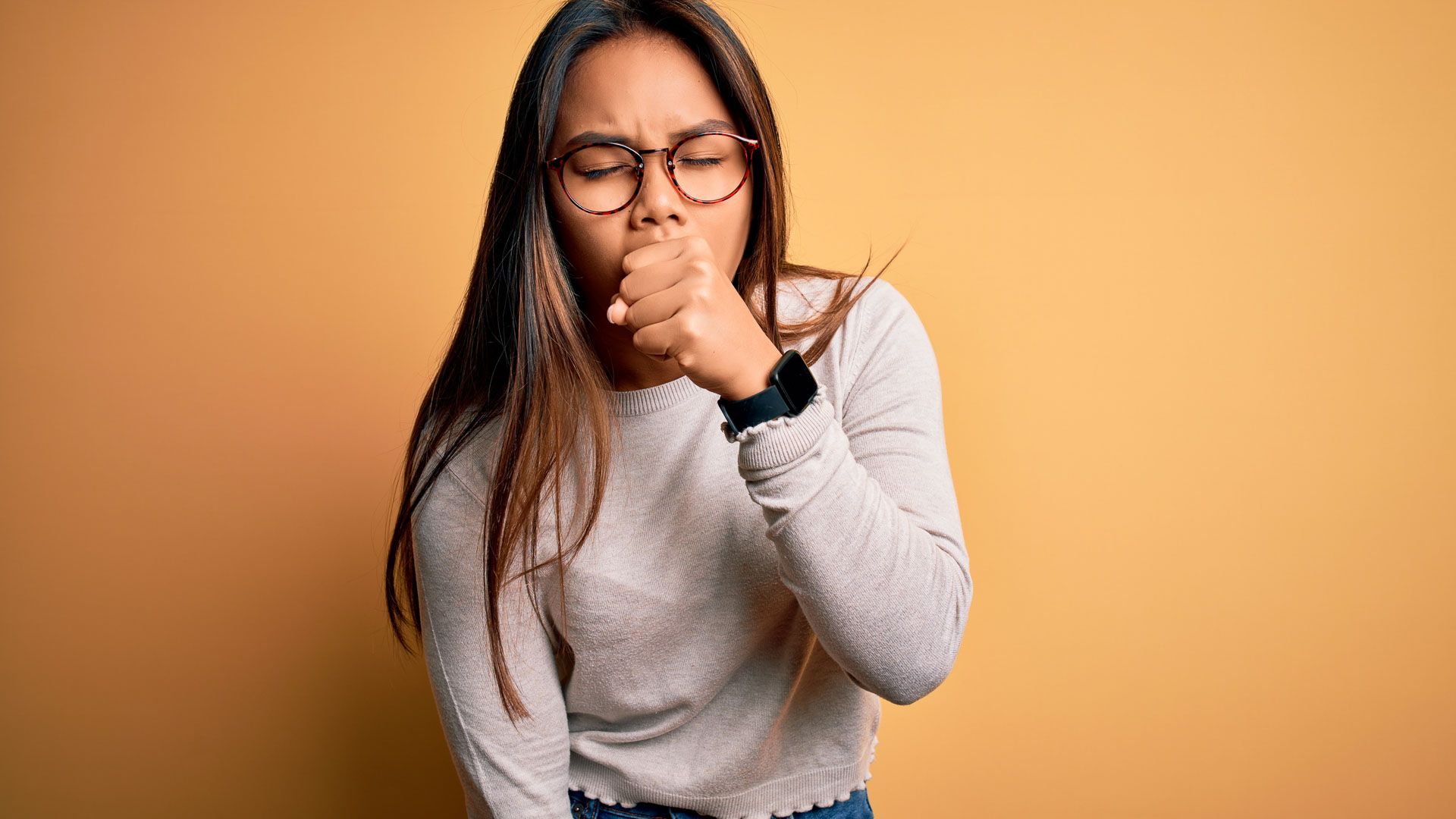
Pneumonia: Coughs, Clues, & Care
Pneumonia can turn an ordinary school day into a challenge for both students and staff—sometimes quietly, sometimes suddenly. Each year in the United States, this lung infection leads to countless absences, hospitalizations, and anxious families, affecting students of all ages. For school nurses, understanding pediatric pneumonia is crucial for ensuring the health and safety of students, from early recognition to effective prevention strategies and appropriate guidance for families.
Cause of the Cough
Pneumonia in children is not attributable to a single microbial cause. Instead, it is the result of a broad spectrum of viruses and bacteria that vary considerably among age groups and individual risk factors. Viral pathogens—notably respiratory syncytial virus (RSV), influenza, adenovirus, human metapneumovirus, and rhinovirus—are the predominant agents of childhood pneumonia in the United States, especially among infants and preschool-aged children. By contrast, Streptococcus pneumoniae remains a leading bacterial cause, particularly in school-aged children between 5 and 13 years old. This pathogen is commonly carried asymptomatically in the nasopharynx of up to 60% of school-age children, making schools a critical setting for potential transmission and outbreak prevention. A distinct form, often milder, is "walking pneumonia," predominantly caused by the bacterium Mycoplasma pneumoniae. This typically affects school-aged children and adolescents, though it is being observed more frequently in younger children.
Transmission of the respiratory pathogens that cause pneumonia occurs most frequently through direct interpersonal contact, as well as via inhalation of airborne droplets produced by coughing, sneezing, talking, or even normal breathing. Indirect transmission is also possible when students touch shared surfaces (fomites) or come into contact with infectious secretions; subsequent hand-to-face contact provides an efficient route of entry.
Symptoms to Spot
Recognizing pneumonia often begins with observing nonspecific complaints such as cough, fever, and fatigue. Abdominal pain can also be a presenting symptom, particularly in younger students. Beyond these general indicators, school nurses should be particularly attuned to signs of respiratory distress including tachypnea (fast breathing), nasal flaring, lower chest in-drawing, and wheezing.
The onset of symptoms can also provide clues; symptoms of bacterial pneumonia tend to appear suddenly, while viral pneumonia often has a more gradual onset, with breathing problems developing slowly and a worsening cough. In cases of "walking pneumonia," symptoms such as a persistent cough, mild fever, fatigue, and chest discomfort may be present; yet, the affected student often remains active, hence the term.
Measures to Prevent
Protecting students from pneumonia involves addressing both individual and community-level risk factors. Immunization is a central component of prevention, as vaccines are available to help protect against several of the major bacterial and viral causes, including pneumococcus (Streptococcus pneumoniae), Haemophilus influenzae type b, pertussis (whooping cough), and influenza.
Standard infection control protocols are equally crucial, and school nurses can lead targeted efforts to reduce the risk of pneumonia. Empowering students with ongoing reminders about effective hand hygiene—especially after coughing or sneezing—supports personal and community prevention. Teaching and modeling respiratory etiquette, such as using tissues (promptly discarded) or the elbow to cover coughs and sneezes, should remain a routine practice. Regular cleaning of high-touch surfaces, such as desks, doorknobs, and shared educational materials, remains essential to interrupt pathogen transmission.
The school nurse's role in pneumonia prevention is both proactive and pivotal: by recognizing early signs, encouraging vaccination, and modeling best hygiene practices, you help stop outbreaks before they start. Your expertise keeps classrooms healthy and learning uninterrupted—proving that thoughtful observation and clear guidance can make all the difference.