
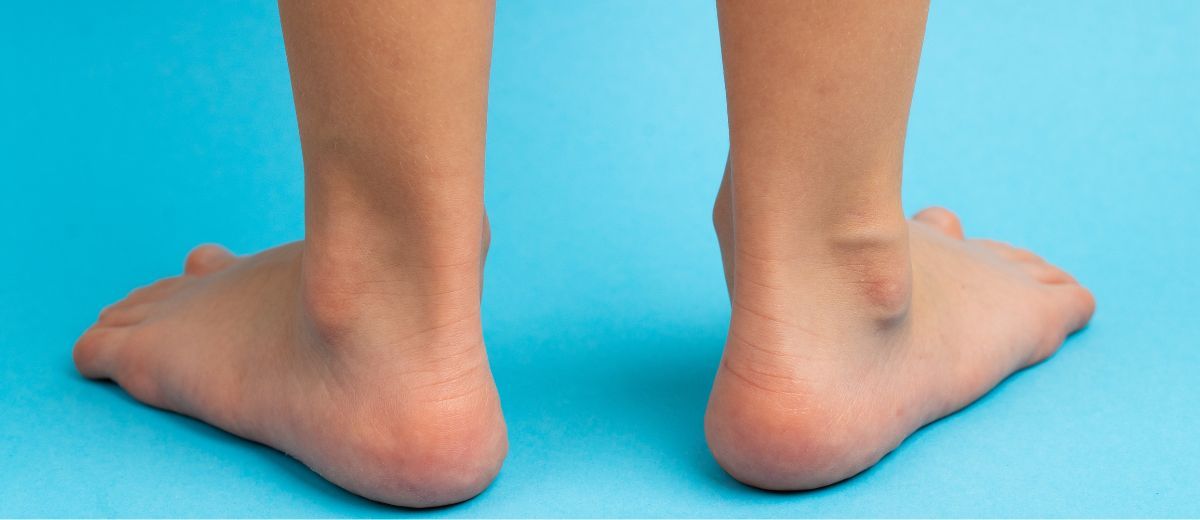
Sever’s: A Heel Dilemma
Among the many musculoskeletal challenges that school nurses encounter in active students, one condition stands out as a frequent culprit of heel pain in children aged 8 to 15: Sever's disease. Considered more an injury than a "disease," this growth-related condition arises from inflammation at the heel's growth plate, often triggered by repetitive stress during physical activities like running and jumping. While it may not lead to long-term complications, understanding its symptoms, causes, and management can make all the difference in keeping these students on their feet—literally and figuratively.
What is Sever's Disease?
Sever's disease, or calcaneal apophysitis, is fundamentally an "inflammation of the growth plate (apophysis) located at the back of the heel bone (calcaneus)." This specific area is the attachment point for the powerful Achilles tendon and the plantar fascia. In children and early adolescents, these growth plates are composed of cartilage, which is softer and more vulnerable to injury than mature bone. The calcaneal apophysis typically appears around ages 7 to 8 and gradually matures and fuses to the rest of the heel bone between the ages of 12 and 14. Think of the growth plate in the heel as a construction zone—it's still developing and not yet fully "paved." Sever's disease occurs when there's too much activity or stress, like heavy traffic, on this area before it's ready to handle the load. Approximately 60% of Sever's disease cases involve pain in both heels, making it a bilateral condition for the majority of affected students.
Who is at Risk?
Sever's disease is a common condition that targets active children and adolescents between the ages of 8 and 15, particularly during their growth years when their skeletons are still developing. High-impact sports like soccer, basketball, gymnastics, baseball, and track often contribute to this condition due to the repetitive running and jumping that place extra strain on the heel's growth plate. But Sever's disease isn't limited to athletes—less active teens can also be affected, especially if they frequently wear flat, unsupportive footwear that fails to protect the heel from stress and strain. Rapid growth spurts, during which bones can grow faster than the corresponding muscles and tendons, leading to increased tension, also contribute to the risk, and males tend to be more affected than females.
Recognizing the Signs & Symptoms
Keenly observant school nurses are often the first to hear the complaints that may point to Sever's disease, and it's important to consider it, especially when students in the typical age range present with activity-related heel pain. Students may describe the pain as feeling like a bruise, with the severity of pain increasing with activity or impact and improving with rest. Physical examination will often reveal tenderness when pressing on the back of the heel, specifically at the Achilles tendon insertion, but typically not along the tendon itself or the plantar fascia. There is usually no significant swelling or visible bruising, but tightness in the calf muscles may also be present. In many cases, students may limp or walk on their toes to avoid pressure on the heel. It is crucial to recommend consultation with the student's pediatrician or a sports medicine professional for a definitive diagnosis and personalized management plan.
School Nurse Management & Support
Treatment of Sever's disease primarily focuses on pain relief and reducing inflammation and involves supportive measures, including rest and activity modification, ice, calf stretching, and supportive footwear. Common school supports include:
- PE/Recess/Athletics - Students may need temporary modifications to their participation in high-impact activities such as running, jumping, and certain sports.
- School Day - Accommodations might include allowing students extra time to move between classes to avoid rushing and exacerbating pain. In some cases, temporary permission to use elevators or designated routes with less walking might be considered.
- Ice/OTC Medications - If recommended by their healthcare provider, students should have access to ice packs as needed. When appropriate orders are in place and policies allow, OTC medications may be administered per the student's health plan.
When it comes to Sever's disease, school nurses are the ultimate "heelers." By recognizing the symptoms early and providing tailored support, you can help students stay active, healthy, and ready to tackle their next adventure.